
Food is an important part of everyday life. It gives us energy and provides nutrients that help the body work properly. It is also connected to family traditions social events and many of the moments we enjoy with other people.
The food we choose can influence how we feel throughout the day. A balanced meal can provide steady energy while a meal that is very high in added sugar or unhealthy fats may leave some people feeling tired later.
Eating well does not mean following a strict diet. It does not mean giving up every food you enjoy. Healthy eating is more about balance variety and making choices that support your needs.
Many people make food decisions based on convenience. Busy schedules can make packaged meals fast food and sugary drinks tempting. These foods can still have a place in some people’s diets but relying on them too often may make it harder to get a wide range of nutrients.
Simple planning can make a big difference. Keeping nutritious ingredients at home and preparing basic meals can make healthy choices easier.
This article looks at practical ways to build better food habits. The goal is not perfection. It is to help you understand how simple choices can make everyday eating more enjoyable and balanced.
Choose a Variety of Nutritious Foods
A varied diet gives your body access to many different nutrients. No single food provides everything your body needs. Eating different types of food can help create a more balanced eating pattern.
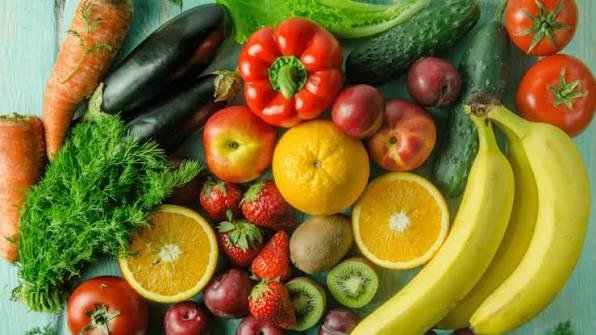
Fruits and vegetables are important parts of a nutritious diet. They provide vitamins minerals fiber and other beneficial compounds. Try adding different colors to your meals. Green vegetables berries oranges tomatoes carrots and other produce can all add variety.
Protein is another important part of meals. Eggs fish poultry beans lentils nuts and seeds can provide protein. The best choices can depend on your personal preferences and dietary needs.
Whole grains are also useful. Oats brown rice whole-grain bread and similar foods can provide fiber and other nutrients.
Healthy fats can be included through foods such as nuts seeds avocados and certain types of fish. Fats are an important source of energy and help the body absorb some vitamins.
Variety also makes food more enjoyable. Eating the same meals every day can become boring. Trying different vegetables grains herbs and cooking methods can make nutritious meals more interesting.
You do not need to make every meal perfect. Think about your overall eating pattern rather than judging one individual meal.
A balanced approach is easier to maintain and can help you develop a healthier relationship with food.
Make Fruits and Vegetables Part of Your Meals
Fruits and vegetables are among the simplest foods to add to a healthy eating routine. They can be used in breakfast lunch dinner and snacks.
You can start your day with fruit added to oatmeal yogurt or another breakfast. Bananas apples berries oranges and other fruits can provide natural sweetness and useful nutrients.
Vegetables can be added to many meals without making cooking complicated. Add spinach tomatoes onions carrots peppers or other vegetables to eggs rice pasta soups or sandwiches.
Fresh produce is not the only option. Frozen vegetables can be convenient and can make it easier to keep nutritious ingredients available. Canned vegetables can also be useful when you choose options with less added salt.
Try different preparation methods. Roasting can bring out natural flavors while steaming can keep vegetables simple and light. Soups and salads offer other easy options.
Fruit can also replace highly processed snacks when you want something naturally sweet.
You do not have to buy expensive products. Choose fruits and vegetables that are available locally and fit your budget.
Seasonal produce can sometimes be more affordable and may offer good flavor.
The goal is simply to make plant foods a regular part of your meals.
Pay Attention to Protein and Whole Grains
Protein helps support muscles and many other functions in the body. Including a protein source in meals can also make food more filling.
There are many options. Fish chicken eggs beans lentils and dairy products can provide protein. Nuts and seeds can also contribute protein while providing other nutrients.
Plant-based protein can be especially useful for people who want to reduce their dependence on meat. Lentils beans chickpeas and peas can be added to soups curries salads and rice dishes.
Whole grains are another useful food group. They contain more of the grain than refined grains and can provide fiber and other nutrients.
Brown rice oats whole-wheat bread barley and similar foods are examples of whole-grain choices.
You do not need to replace every refined grain immediately. Try making gradual changes. You might choose oatmeal for breakfast or brown rice for some meals.
Combining whole grains with vegetables and protein can create satisfying meals.
Food should be enjoyable as well as nutritious. Choose options that fit your culture taste and lifestyle.
Small changes can eventually become normal parts of your eating routine.
Reduce Added Sugar Salt and Highly Processed Foods
Not every processed food is unhealthy. Processing can include simple actions such as freezing or cooking. The main concern is relying heavily on foods that contain large amounts of added sugar salt or unhealthy fats.
Sugary drinks are one area where small changes can help. Soft drinks energy drinks and sweetened beverages can contain significant amounts of added sugar.
Water is a simple alternative. Unsweetened tea or other low-sugar drinks can also work for many people.
Pay attention to packaged foods as well. Reading nutrition labels can help you understand how much sugar sodium and other nutrients a product contains.
You do not need to completely avoid snacks or treats. Enjoying them occasionally can be part of a balanced eating pattern.
The important thing is frequency and overall balance.
Cooking at home can make it easier to control ingredients. You can use herbs spices garlic ginger lemon and other ingredients to add flavor without relying heavily on salt or sugar.
If you are trying to reduce salt gradually reduce the amount used in cooking. Your taste preferences can adjust over time.
Highly processed foods can be convenient and sometimes useful. The goal is not to label every packaged food as bad. Instead try to make nutritious whole or minimally processed foods the foundation of your meals.
Drink Enough Water Throughout the Day
Water is an essential part of a healthy diet. Your body needs fluids for many normal functions.
The amount of water you need can vary. Hot weather exercise body size diet and individual health conditions can all affect your fluid needs.
Keeping a bottle of water nearby can make drinking throughout the day easier. You can also get some fluid from foods such as fruits vegetables soups and other water-rich foods.
Some people drink more when they are physically active. If you spend a lot of time outdoors in hot weather you may need additional fluids.
Sugary drinks can add a lot of calories and sugar to your diet. Replacing some of them with water can be a simple improvement.
You can add slices of lemon cucumber or fruit to water if you prefer more flavor.
Tea and other beverages can also contribute to fluid intake. However caffeine may affect some people’s sleep or cause other issues when consumed in large amounts.
People with certain medical conditions may have specific fluid requirements. If you have been advised to restrict or increase fluids follow your healthcare professional’s guidance.
Good hydration is a simple habit that can support your everyday well-being.
Plan Meals and Make Food Preparation Easier
Meal planning can help you make better food choices when life becomes busy. Without a plan it is easy to choose whatever is fastest when you become hungry.
You do not need to prepare every meal for an entire week. Even planning a few meals can make a difference.
Start by thinking about your schedule. Choose simple meals for busy days and allow more time for cooking when your schedule is relaxed.
Keep basic ingredients available. Rice oats eggs vegetables lentils beans and other staples can be used to create many different meals.
Preparing some ingredients ahead of time can also save effort. You might wash vegetables or cook a larger amount of rice or lentils for later meals.
Leftovers can be useful too. A healthy dinner can sometimes become the next day’s lunch.
Keep nutritious snacks available if you tend to get hungry between meals. Fruit yogurt nuts or other suitable options can be convenient.
Planning can also help reduce food waste. When you know what you are going to cook you are less likely to buy ingredients that you never use.
Your plan does not need to be strict. Leave room for unexpected events and meals outside the home.
The purpose of meal planning is to make healthy eating easier rather than create another source of stress.
Enjoy Food Mindfully and Maintain Balance
Food is not only about nutrition. It is also connected to pleasure culture and social life.
Eating mindfully can help you pay attention to your meal. Try to eat slowly and notice the taste texture and smell of your food.
Avoid eating while constantly distracted by your phone or television when possible. Focusing on your meal can make the experience more enjoyable.
Pay attention to hunger and fullness. Your body’s signals can help guide how much you eat.
Avoid labeling foods as completely good or bad. Such thinking can create unnecessary guilt. A healthier approach is to look at how different foods fit into your overall eating pattern.
You can enjoy your favorite foods while still making nutritious choices most of the time.
Meals with family or friends can also be valuable. Sharing food can create meaningful social experiences.
Cultural foods should not be ignored when discussing healthy eating. Traditional meals can often be adapted with simple changes while keeping their familiar flavors.
For example you can add more vegetables to a traditional dish or adjust the amount of oil and salt.
Balance is more sustainable than extreme restriction. When you enjoy your food and understand moderation it becomes easier to maintain healthy habits for the long term.
Final Thought
Food is an important part of a healthy and enjoyable life. The goal is not to create a perfect diet. The goal is to build eating habits that provide nourishment while still allowing you to enjoy the foods you love.
Start with simple changes. Add more fruits and vegetables to your meals. Include nutritious sources of protein and choose whole grains more often.
Drink water regularly and reduce your intake of sugary drinks when possible. Pay attention to highly processed foods and read labels when you want to understand what you are eating.
Planning a few meals in advance can make healthy choices easier. At the same time leave room for flexibility because real life does not always follow a perfect schedule.
Remember that everyone’s nutritional needs are different. Age activity level health conditions allergies and personal preferences can all affect the best food choices for an thesindi com.
If you have a medical condition or specific dietary concern consider speaking with a qualified healthcare professional or registered dietitian.
Healthy eating is a long-term habit rather than a short-term challenge. You do not need to change everything at once.
Choose one small improvement and continue building from there. Over time those simple decisions can create a balanced food routine that supports your health energy and enjoyment of everyday life.
FAQs About Food
- What makes food healthy?
Healthy food generally provides useful nutrients such as vitamins minerals protein fiber and healthy fats. A balanced diet includes a variety of foods rather than relying heavily on one type.
- What foods should I eat every day?
A varied diet can include fruits vegetables whole grains protein sources and suitable healthy fats. The exact foods and portions depend on individual needs.
- Are fruits good for a healthy diet?
Yes. Fruits provide vitamins minerals fiber and other beneficial nutrients. They can also be a naturally sweet alternative to many highly processed snacks.
- Why are vegetables important?
Vegetables provide many nutrients and can add fiber to the diet. Eating different types and colors of vegetables can help increase dietary variety.
- Should I completely avoid sugar?
Most people do not need to completely eliminate all sugar. However limiting foods and drinks that contain large amounts of added sugar can support a healthier eating pattern.
- Is processed food always unhealthy?
No. Processing can include simple methods such as freezing or cooking. The main concern is relying heavily on highly processed foods that are high in added sugar salt or unhealthy fats.
- How much water should I drink each day?
Fluid needs vary from person to person. Weather physical activity diet and health conditions can affect how much you need. Drink regularly and follow professional advice if you have specific medical needs.
- Is eating at home healthier than eating outside?
Cooking at home can make it easier to control ingredients and portion sizes. However healthy meals can also be found outside the home when you choose nutritious options.
- How can I start eating healthier?
Start with small changes. Add more vegetables and fruit to your meals. Drink more water and choose nutritious protein and whole-grain foods more often. Gradual changes are usually easier to maintain.
