
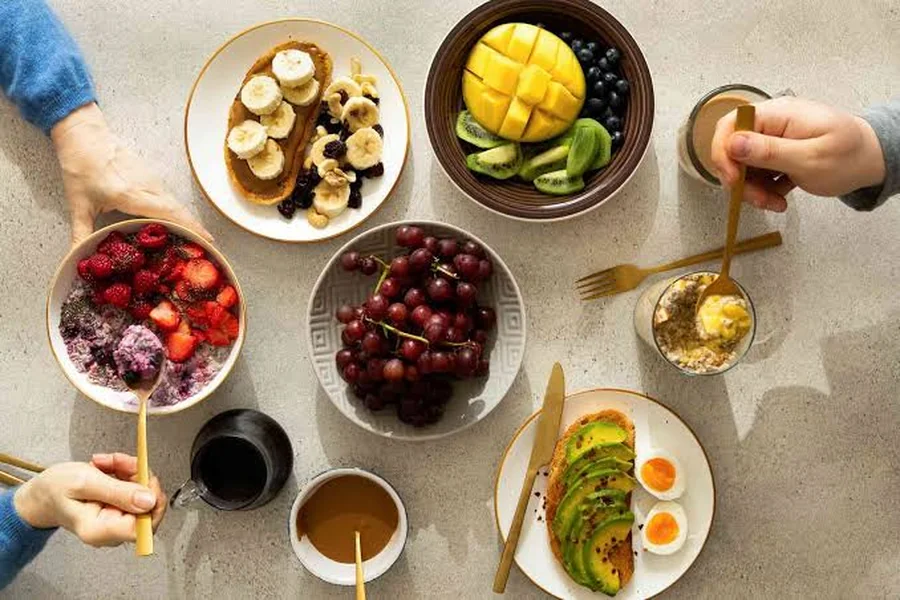
Eating well does not have to mean following a strict diet or giving up the foods you enjoy. Food is part of everyday life. It gives us energy. It supports growth and helps the body work properly. It also brings people together and can be one of the simple pleasures of the day.
A healthy approach to food is more about balance than perfection. The goal is to build meals that give your body useful nutrients while still leaving room for taste and enjoyment. Small changes can often make a bigger difference than sudden and difficult diet rules.
From choosing more whole foods to drinking enough water there are many simple ways to improve everyday eating habits. Understanding what your body needs can also help you make better choices without feeling confused by changing food trends.
Why Food Matters for Your Health
Food provides the nutrients your body needs to function. Carbohydrates provide energy. Protein helps maintain and repair tissues. Fats support many important body functions. Vitamins and minerals help with processes such as immune function and bone health.
The quality and variety of food you eat can influence how you feel throughout the day. A meal with a useful mix of nutrients can help you stay satisfied for longer. On the other hand meals that contain mostly added sugar or highly processed ingredients may provide quick energy without keeping you full for very long.
Food also plays a role in long-term health. A balanced eating pattern can support heart health and healthy body weight. It can also provide nutrients that help maintain strong bones and muscles.
This does not mean every meal needs to be perfect. What matters most is the overall pattern of your diet. If most of your meals contain a variety of nutritious foods then an occasional treat can easily fit into a balanced lifestyle.
Build a Balanced Meal
A balanced meal can be easier to create when you think about food groups rather than individual nutrients.
Start with vegetables or fruits. These foods provide fiber along with many vitamins and minerals. Try to include different colors throughout the week. Leafy greens carrots tomatoes bananas oranges beans and berries can all add variety.
Next include a source of protein. Eggs fish chicken lean meat beans lentils tofu and yogurt are useful options. Protein can help you feel satisfied and supports muscle maintenance.
Add a source of carbohydrates such as rice potatoes oats whole grain bread or other grains. Carbohydrates are an important source of energy. Choosing higher-fiber options more often can be helpful.
Healthy fats can also be part of a balanced meal. Nuts seeds avocado and plant oils are examples. You do not need large amounts. A moderate portion can add flavor and nutritional value.
Think of balance across the day rather than trying to create a perfect plate every time. If breakfast is light then lunch or dinner can provide more variety. Flexibility makes healthy eating easier to maintain.
Choose More Whole Foods
Whole foods are foods that are close to their natural form or have been minimally processed. Examples include fresh fruits vegetables eggs beans lentils nuts seeds fish and whole grains.
These foods can provide fiber vitamins minerals protein and other useful nutrients. They can also make meals more filling and satisfying.
Processed food is not automatically bad. Many convenient vocalnewsmedia com foods can fit into a healthy diet. Frozen vegetables are a good example. Canned beans can also be convenient and nutritious. The important point is to understand how often highly processed foods appear in your overall eating pattern.
When shopping try to make nutritious foods easy to reach at home. Keep fruit where you can see it. Store nuts or seeds for a quick snack. Prepare vegetables in advance when possible.
Simple preparation can reduce the temptation to rely on less nutritious convenience foods when you are hungry.
Pay Attention to Portion Sizes
Even nutritious foods can contribute a lot of calories when eaten in very large portions. At the same time eating too little can leave you tired and hungry.
Portion needs are different for everyone. They can depend on age activity level body size and individual needs. Instead of following one fixed portion rule pay attention to your hunger and fullness signals.
Eat slowly when possible. It takes time for your body to recognize that it has had enough food. Taking a little longer to eat can help you notice when you are comfortably satisfied.
It can also help to serve food on a plate rather than eating directly from a large package. This gives you a clearer idea of how much you are having.
Portion awareness does not mean measuring every bite. It simply means becoming more mindful of how much you eat.
Make Better Snack Choices
Snacks can be useful when you are hungry between meals. The key is choosing snacks that provide something useful rather than relying on foods that mainly offer added sugar or excess salt.
Fruit is an easy option. Yogurt can provide protein and calcium. Nuts and seeds can offer healthy fats and protein. Boiled eggs can be filling. Whole grain toast with a simple spread can also work well.
You can combine foods to make a snack more satisfying. For example fruit with yogurt or whole grain bread with an egg can provide a mixture of nutrients.
It is also fine to enjoy favorite snack foods sometimes. Healthy eating should not make you feel guilty about enjoying food.
If you often become extremely hungry between meals then look at your main meals. You may need more protein fiber or overall food at breakfast lunch or dinner.
Drink Enough Water
Water is essential for the body. It supports temperature regulation digestion circulation and many other functions.
Your fluid needs can change depending on the weather your activity level and other factors. Hot conditions and physical activity can increase the amount of fluid you need.
Water is usually a simple choice for regular hydration. Unsweetened tea and other low-calorie drinks can also contribute to fluid intake.
Sugary drinks can add a significant amount of added sugar without making you feel as full as solid food. Having them less often can be a simple way to improve your overall diet.
You do not need to wait until you are very thirsty before drinking. Keeping water nearby can make regular hydration easier.
Create Healthy Eating Habits That Last
The best food plan is one that you can actually follow. Extremely strict diets may work for a short period but can become difficult when life gets busy.
Start with one or two changes. You could add a serving of vegetables to dinner. You could replace sugary drinks with water more often. You could prepare breakfast at home several days a week.
Once a habit feels normal you can add another change.
Planning can also help. Think about meals before you become very hungry. Keep a few simple ingredients available for quick meals. Cook larger portions when practical so leftovers can become the next day’s lunch.
Do not expect every day to go perfectly. Travel celebrations busy workdays and social events are part of life. One meal will not determine your health.
A healthy eating pattern is built through repeated choices over time.
FAQs About Food
What is a healthy food?
A healthy food is generally one that provides useful nutrients such as protein fiber vitamins minerals or healthy fats. Fruits vegetables whole grains beans fish eggs nuts and seeds are examples. A food does not have to be perfect to be part of a healthy diet.
How many meals should I eat each day?
There is no single number that works for everyone. Some people prefer three main meals while others include snacks. What matters is getting enough nutritious food throughout the day and choosing an eating pattern that fits your lifestyle.
Is rice healthy?
Rice can be part of a healthy diet. It provides carbohydrates that the body can use for energy. Brown rice and other whole grain options provide more fiber but white rice can also fit into balanced meals when combined with vegetables protein and other nutritious foods.
Should I completely avoid sugar?
Most people do not need to completely eliminate sugar. It is generally more useful to limit foods and drinks that contain large amounts of added sugar. Naturally occurring sugars in foods such as fruit and milk are different from added sugars.
Are snacks bad for you?
Snacks are not automatically unhealthy. A nutritious snack can help manage hunger between meals. Fruit yogurt nuts seeds or a boiled egg can be useful choices. The amount and type of snack matter more than the fact that you snack.
Is homemade food healthier?
Homemade meals can make it easier to control ingredients and portion sizes. You can choose how much salt oil or added sugar goes into a meal. However convenience foods can also be nutritious. What matters is the overall quality of your eating pattern.
How can I eat healthier on a busy schedule?
Keep simple ingredients available. Frozen vegetables canned beans eggs fruit yogurt oats and whole grains can make quick meals easier. Preparing some food ahead of time can also save effort during busy days.
What should I eat for breakfast?
A useful breakfast can include protein fiber and carbohydrates. Options include eggs with whole grain toast and fruit or oats with yogurt and fruit. The best choice is one that keeps you satisfied and fits your daily routine.
Can healthy food still taste good?
Absolutely. Healthy food does not need to be boring. Herbs spices garlic ginger citrus and fresh ingredients can add plenty of flavor. Cooking methods such as roasting grilling and stir-frying can also make simple ingredients more enjoyable.
Is frozen food healthy?
Many frozen foods can be healthy. Frozen fruits and vegetables can be convenient and may retain much of their nutritional value. Check packaged meals for ingredients and amounts of sodium added sugar and saturated fat when choosing prepared frozen foods.
How can I stop eating too much?
Try eating slowly and paying attention to hunger and fullness. Avoid eating directly from large packages. Make meals satisfying by including protein fiber and healthy fats. If overeating happens often and feels difficult to control then speaking with a qualified health professional can be helpful.
Final Thought
Good food habits do not require perfection. They require consistency and a practical approach that fits your life.
Focus on variety. Include vegetables and fruits. Choose useful sources of protein. Add whole grains when possible. Drink enough water and pay attention to portions. Enjoy your favorite foods without guilt and return to your usual healthy habits after an occasional indulgence.
The small choices you make every day can add up over time. Instead of searching for a perfect diet try building an eating pattern that gives your body the nutrients it needs while allowing you to enjoy your meals.
